ポーラー ブレンド ブラジル ペルー コロンビア 南米
Nine Lives Roast · Blend Series
POLAR
Brazil · Peru · Colombia · ポーラー

Brazil · Peru · Colombia · ポーラー
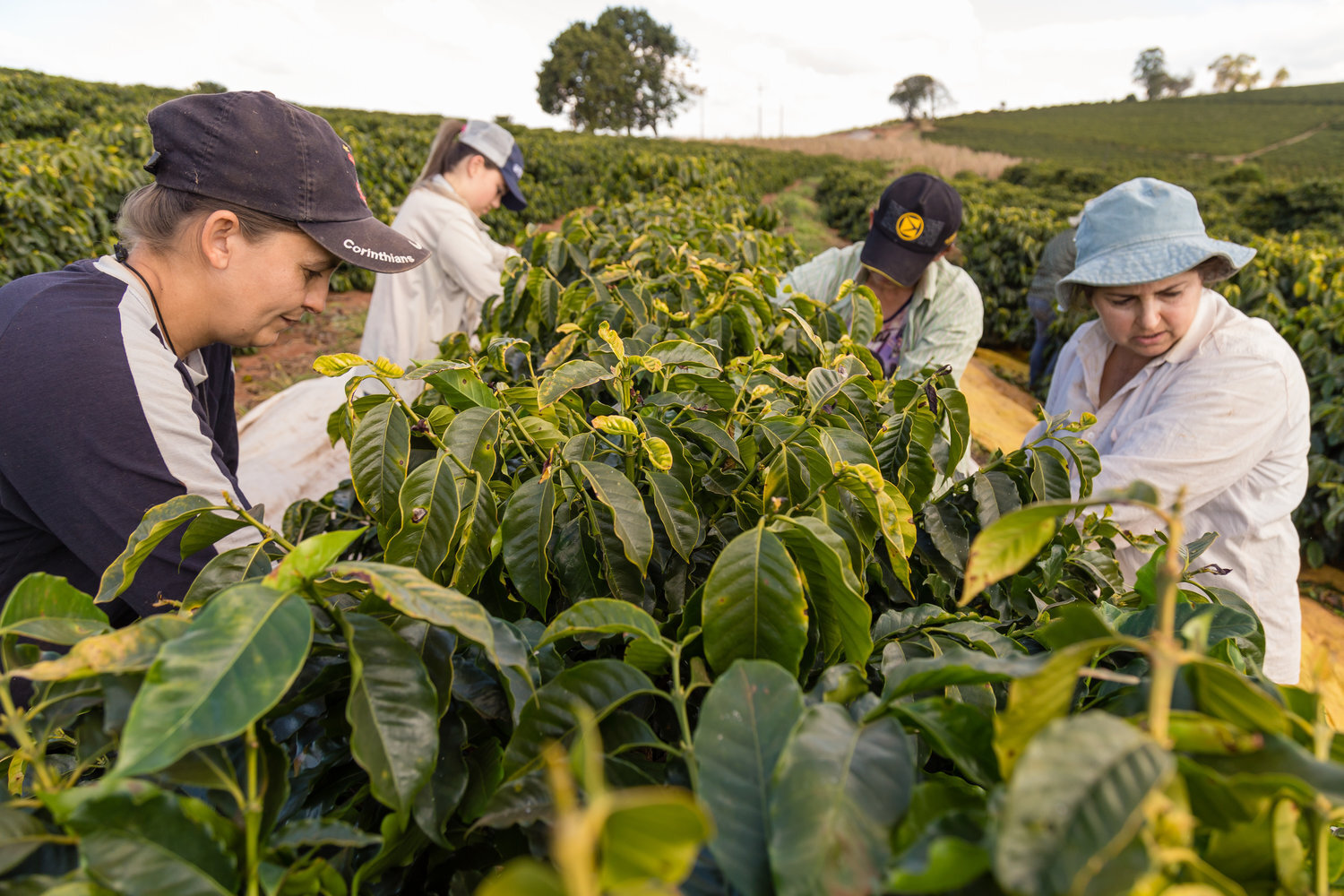
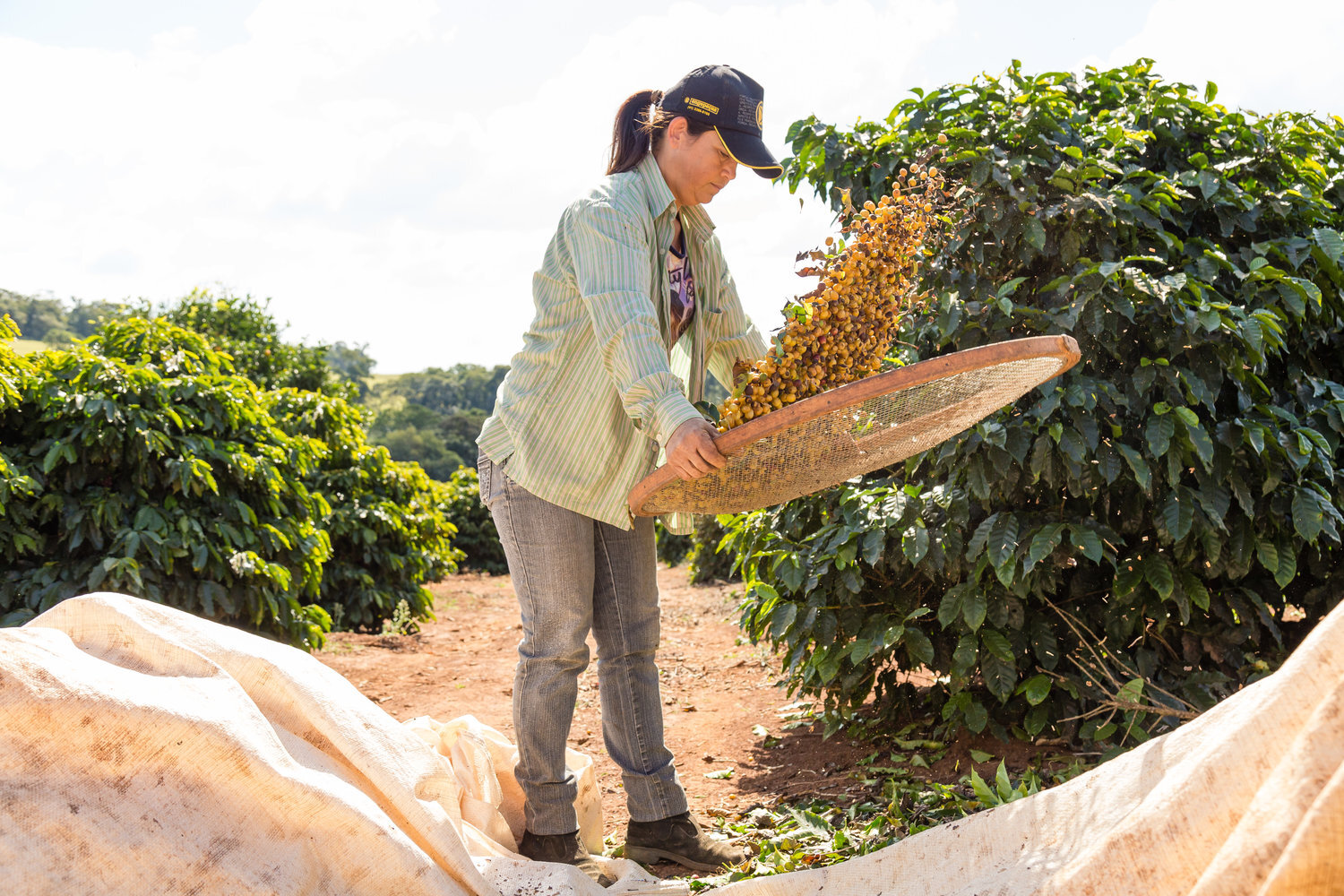
The Brazilian coffee is a pulped natural. The combination of altitude and processing results in a jammy, red fruit profile, with lots of sweetness and a dark chocolate backbone. The excellent treatment of the Signature lots give it unrivaled consistency in quality and flavor, year after year.
The Peruvian coffee is washed and double fermented — using a hand pulper, coffees are pulped and fermented in tiled tanks for about 12–24 hrs depending on weather. They are then washed and fermented again for the same amount of time.
The Colombian coffees are fully washed — hand-picked, de-pulped, washed with mountain water, fermented for 18–24 hours, sun-dried on concrete patios and raised drawers for about 2 weeks, manually sorted in four rounds, hulled and bagged at the Argote family farm.
Roasted on a 22kg Probat UG22 built in 1965 — a machine with real character. Total roast time is 11 minutes. After first crack, the coffee rests for 25% of the remaining time. Each of the three origins is profiled separately and brought together so every component can give its best before the blend is assembled.
Capricornio set out to revive the coffee regions of southern Brazil, once thriving, then abandoned after the frosts of the 1960s. They found 20 farmers, helped them build modern sustainable farms, and proved that the cold stress near the Tropic of Capricorn could produce coffees with the complexity of high-altitude origins. Since 2017, This Side Up has been promoting them in Europe.
Churupampa is not just a farm — it's a social business model which the Tocto family aims to expand to 30 neighbouring farms in their town of Chirinos. Some of the upgrades include better processing facilities, plant renovation schemes with new varieties, and plastic-covered raised beds to secure stable drying despite seasonal rainfalls. In 2018, the quality control team cupped around 4,000 samples. Not one lot goes uncupped. This coffee is also Organic and Fair Trade Certified.
Father and son Efraín and Juan Pablo Argote were about to sell the family estate when Juan Pablo asked: what if we did something different? They started processing and roasting locally, caught This Side Up's attention in 2014, and within two years had their own export licence, raised beds, and were helping their neighbours do the same. Nariño's mountain dynamics deliver the rest: exquisite acidity, smooth texture, rich aromas.